

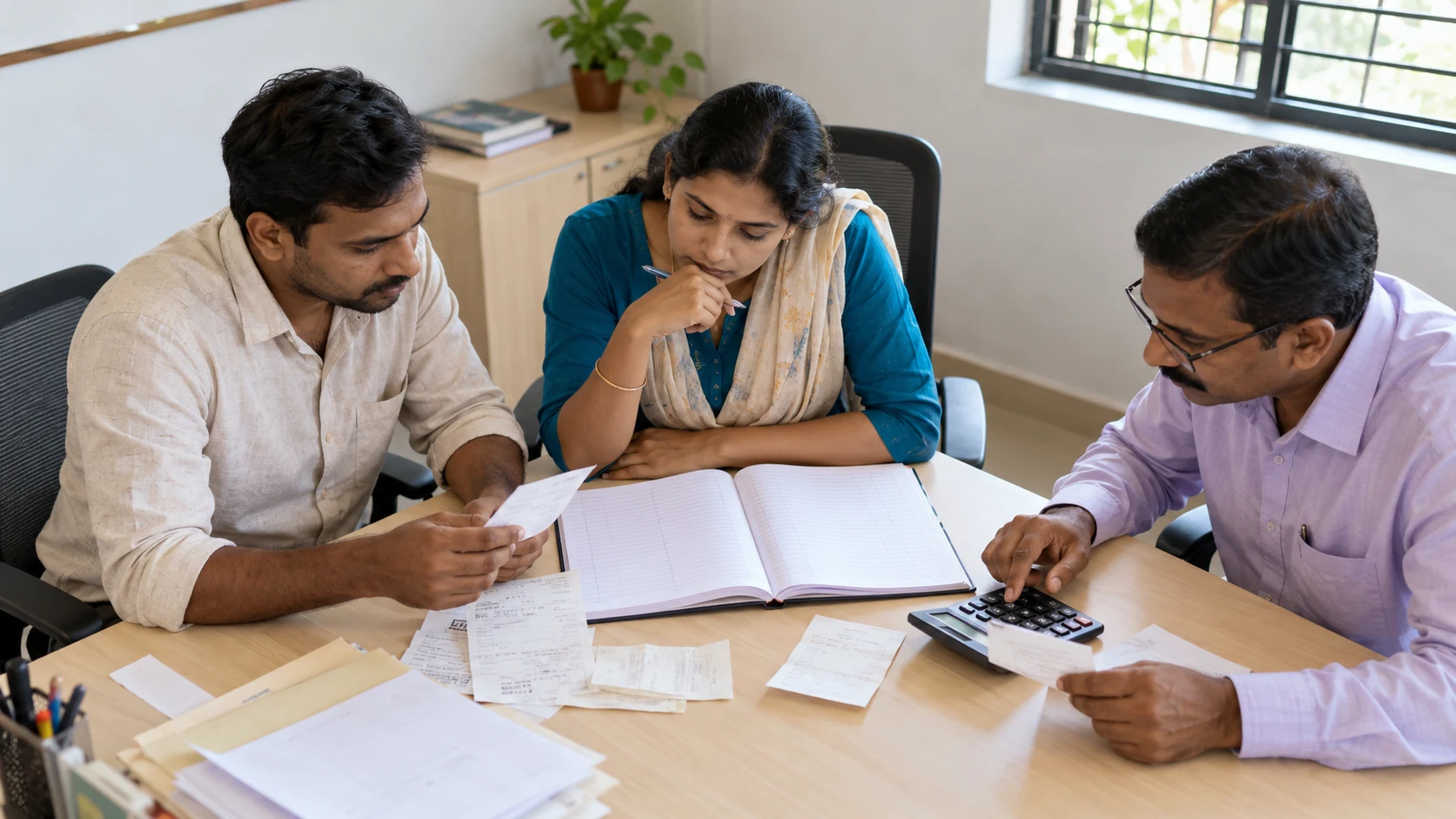
AI-generated illustration.
After the Appeal
The new folding tables had arrived, but the storage cupboard had not. Kavita placed the delivery receipt beside the appeal notice and looked at the empty corner of the activity room. A volunteer suggested taking the completion photograph anyway. She left her phone in her bag: part of the promise was still missing.
Illustrative community scenario
The appeal had begun with two awkward cupboards and tables that volunteers carried between rooms. Kavita had helped write a modest proposal: folding tables and storage for shared materials. Now she was helping close the project. The room looked better already, which made it tempting to treat the remaining paperwork as something that could wait.
Ramesh, another volunteer, brought a notebook to the room. He had kept the contribution records while Kavita dealt with suppliers. Neither had seen every exchange. They moved a new table beneath the window, spread out the papers and started with the question a contributor might ask: what had actually happened to the support they had offered?
Begin with what was actually received
The first difference appeared in a message copied into the notebook. Someone had said they hoped to contribute later. Kavita had remembered the offer as settled; Ramesh could find no corresponding receipt. They moved it out of the received total and left the original note visible. The smaller figure was the one they could use.
A donated shelf stood against the wall. It had helped, but it was not money available for the cupboard order. Ramesh recorded it separately, along with an offer of assembly help that still needed confirming. The sheet began to describe three different things instead of one impressive-looking total: funds received, materials received and help still being discussed.
When they disagreed about an entry, they went back to the supporting record. One payment had been copied twice when a message was forwarded. Ramesh marked the correction and its reason rather than erasing the earlier line. Kavita could now follow the change without needing him to explain it again.
By lunchtime, the table was covered with fewer loose notes. Kavita had expected the exercise to be a final check. Instead, it had shown her where her own memory was filling gaps. She asked Ramesh to read the supplier record next, because that was the part she knew too well to notice every assumption.
Keep the purpose beside the purchase
The first cupboard they had considered would have blocked part of the doorway when opened. In a photograph it had looked ideal. Kavita placed its measurements beside the room plan and remembered the evening they had tried to mark its outline with tape. A volunteer carrying a box could barely pass the open door.
They had chosen a narrower option. The note explained the fit, the shelf arrangement and the reason another suggestion had been set aside. One supplier was known to a committee member; that connection and the committee’s discussion were recorded too. Ramesh could see a decision, rather than just a name at the end of an order.
A volunteer had also offered to buy extra containers while shopping. Kavita had asked him to wait until the group agreed which ones were needed. Looking at the plan now, she was glad he had not brought back a bag of purchases expecting reimbursement. The remaining storage space was different from what they had first imagined.

When the plan changes
Then the supplier called: the narrower cupboard could no longer be supplied on the agreed terms. A larger model was available, but it would recreate the doorway problem. Kavita walked across the room with the tape measure again, hoping the space might somehow offer another answer. It did not.
At the next committee conversation, she put the change beside the original proposal. They could wait for a suitable option, look elsewhere or revise the storage plan. Someone suggested using the remaining money for the next celebration instead. Ramesh pointed to the appeal notice: that was not the purpose people had supported.
The group paused the cupboard purchase while it checked a suitable alternative and the arrangements for any change. Kavita disliked leaving the project open. But moving the money would not make the original promise complete; it would only make the unfinished part harder to see.
She drafted a short update. The tables had arrived and were in use; the cupboard had not been obtained; the remaining funds were being held while the storage decision was resolved. She removed the word completed from the heading. The message looked less celebratory, but every sentence could be explained.
Match the record to the work
When Ramesh checked the table delivery, he compared the items with the order rather than relying on the receipt alone. He opened and folded each one with another volunteer. One latch needed attention. They noted the issue and contacted the supplier instead of allowing a paid invoice to stand for a finished job.
The supplier later addressed the latch. Ramesh recorded that separately, keeping the original report with it. A person reading the file could distinguish the order, the delivery and the correction. Kavita saw how much clearer that sequence was than a single tick beside equipment received.
Before sharing the account, they checked the totals once more and removed personal contact details from the public summary. Supporting receipts stayed with the responsible committee members. Contributors needed a clear explanation of the project, not access to someone else’s phone number or private payment information.
Close with an account people can use
The account began with the two things the appeal had promised. It described the tables received, the storage still unresolved, expenditure to date and the amount not yet allocated. A contributor asked whether the cupboard had been forgotten. Kavita could point to its status and the next decision without offering a date nobody had confirmed.
At the following activity, a volunteer unfolded one of the new tables without asking where it belonged. That small ease was part of what the appeal had been for. In the corner, the old storage arrangement remained awkward. Both were true at once, and the account had room for both.
Ramesh left the file with the committee’s agreed custodian and showed another volunteer where the open cupboard decision was recorded. He was going to be away for a while. The next person would not have to wait for his return to understand what was outstanding.
Kavita finally took a photograph of the tables in use. She sent it with the update, not in place of one. The room was changing, but the honest ending was still unfinished: useful equipment, a remaining decision and people who could explain the difference. She no longer felt the need to make the photograph say more.